

Date Published: 11 June 2024
Thinking about buying an investment property? Whether you are thinking of buying a second home as an investment property or you’re ready to start your journey in the property market as an investor, you might find the process exciting, but also a little daunting. To help you get off to the right start on your property investing journey, here’s what you need to know about buying an investment property in Queensland.
Property investment is often seen as a less risky option than other investment types, like shares or cryptocurrency, for example. While it can be a more straightforward investment, significant capital is involved and there are, as with all investments, pitfalls that you need to be aware of. The pros and cons of investing in property may include:
Pros of investing in property
Cons of investing in property
Yes, there are pros and cons to investing in property, but there are pros and cons to all investments – you have to do your research, get professional advice where needed and make sure the investment you decide upon is the right one for you. This is especially important with property due to the range of potential investment strategies to leverage:
It isn’t uncommon to start your property investment journey leveraging one strategy and then switching to another in the future, but you must have a strategy. As such, it’s crucial to have a strong idea of what you want to achieve when buying an investment property.
With higher entry costs than other investment types, it’s very important that you get your finances right. This not only means proving to the lender that you can afford the loan, but having a complete understanding of all the costs involved in buying a property, such as:
Also, one of the primary reasons people invest in property is capital gains, so while there’s the potential for market fluctuations that see property prices rise and fall, overall, property values rise. This means the longer you wait to start your journey, the higher the entry costs.
Following on from the previous point, you generally need a large amount of savings to secure an investment property, with most banks and lenders insisting on a full 20% deposit to avoid LMI and other extra fees and charges. Additionally, as you’ll need an ‘investment loan’ rather than an ‘owner occupied loan’ which banks and lenders consider riskier due to market and vacancy concerns, you’ll sometimes pay higher interest rates and fees.
These are some of the many considerations when working out how you’ll finance your investment, and whether you decide to use a broker or approach banks and lenders directly, consider getting loan pre-approval early on in your home-buying journey. Having loan pre-approval helps to give you a clearer picture of what you’re likely able to spend on an investment property based on what the lender is prepared to lend to you.
Chances are you’ve been a tenant at some point and perhaps you thought your landlord had it easy and just kicked back while the money rolled in. Think again! There are many things involved in buying and leasing an investment property to tenants and the process starts well before you’ve purchased the property. Ask yourself the following questions:
In terms of whether you’re ready to be a landlord, these are just some of the many things that you’ll need to consider before and after you buy. What’s more, you also need to ask yourself if you’re ready to take on the financial commitment – with all that entails – of being a landlord. While property can prove to be a great investment, there is often a significant amount of capital involved in becoming a landlord.

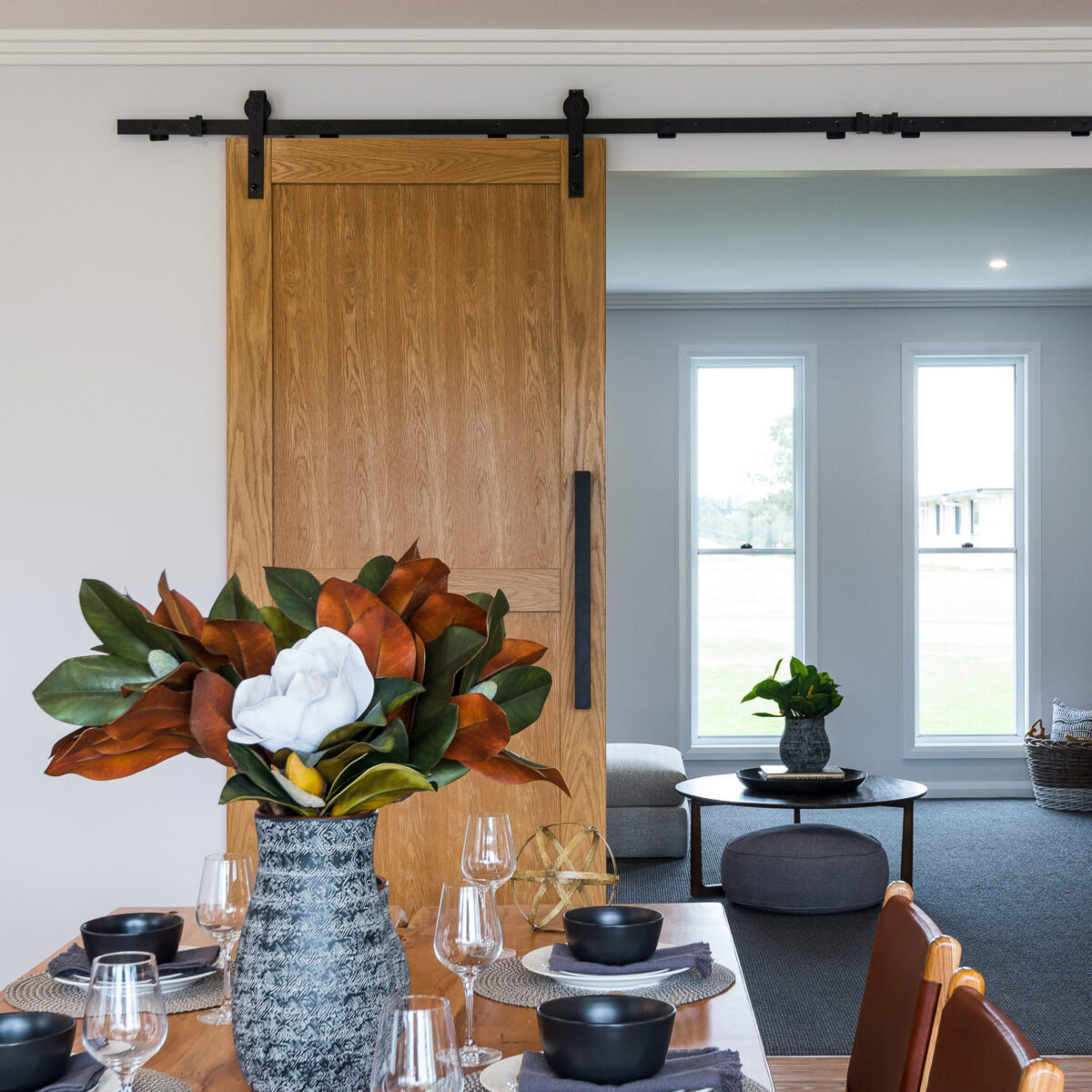
One of the most important decisions you’ll make on your investment property-buying journey is deciding on a property type (e.g. apartment, townhouse or house) and whether to build a new property or buy an existing home. Although buying an existing property is a popular option among those seeking a property as an investment, building an investment property also has a lot to offer. Building a new home offers benefits, such as enabling you to:
What’s more, there’s also the potential to save more when building instead of buying an investment property. That’s because, in some cases, building a new property could be more affordable than buying an existing one. However, that depends on certain criteria, such as getting a good deal on the land and building costs and working with the right home builder. While some investors choose to purchase an existing property – often at a higher cost – to avoid the building time and get tenants in as soon as possible, if you have the option of taking your time, there’s the potential to save more money by building a new property.


House and land packages can be an excellent way to get into the property market while enjoying many of the same benefits of building a new home, such as capital growth, depreciation and and a range of additional tax benefits afforded to investment properties. However, there are additional benefits to buying a house and land package, starting with the potential for increased affordability and the peace of mind that a set purchase price provides. What’s more, you can save significantly on stamp duty if you opt to buy a house and land package, reducing the entry costs to property investment.
Learn more in our guide, ‘Essential Questions to Ask When Buying a House & Land Package’.
As a trusted local home builder, Hallmark Homes has a strong presence across South East Queensland and builds new homes for all kinds of homebuyers, from first-home buyers to downsizers and property investors. We have display homes in many popular areas to build a new home, including Brisbane suburbs like Redland Bay and Burpengary East, Gold Coast – including our new SkyRidge display home in Gold Coast – and Aura on the Sunshine Coast, making it easy to view our homes and get a feel for our design and build quality. We also offer house and land packages in high-demand, high-growth areas – please don’t hesitate to contact our experienced consultants to learn more about the packages we have available or for help planning your display home visit.
The information on this website is for general information purposes only. It is not financial advice. Consult with qualified financial advisors for personalised guidance.
"*" indicates required fields