Multigenerational Home Designs: Living Well Together, With Space to Be Yourself
Date Published: 27 January 2026
For many Queensland families, the idea of living together across generations is becoming less about compromise and more about choice.
Multigenerational living reflects a desire for connection, support and flexibility. It can mean adult children staying longer, parents moving closer, or families choosing to build a home that adapts as life changes. When designed well, a multigenerational home supports togetherness without sacrificing privacy or independence.
The key is starting with the right home design. One that’s planned from the ground up to work for multiple households under one roof.
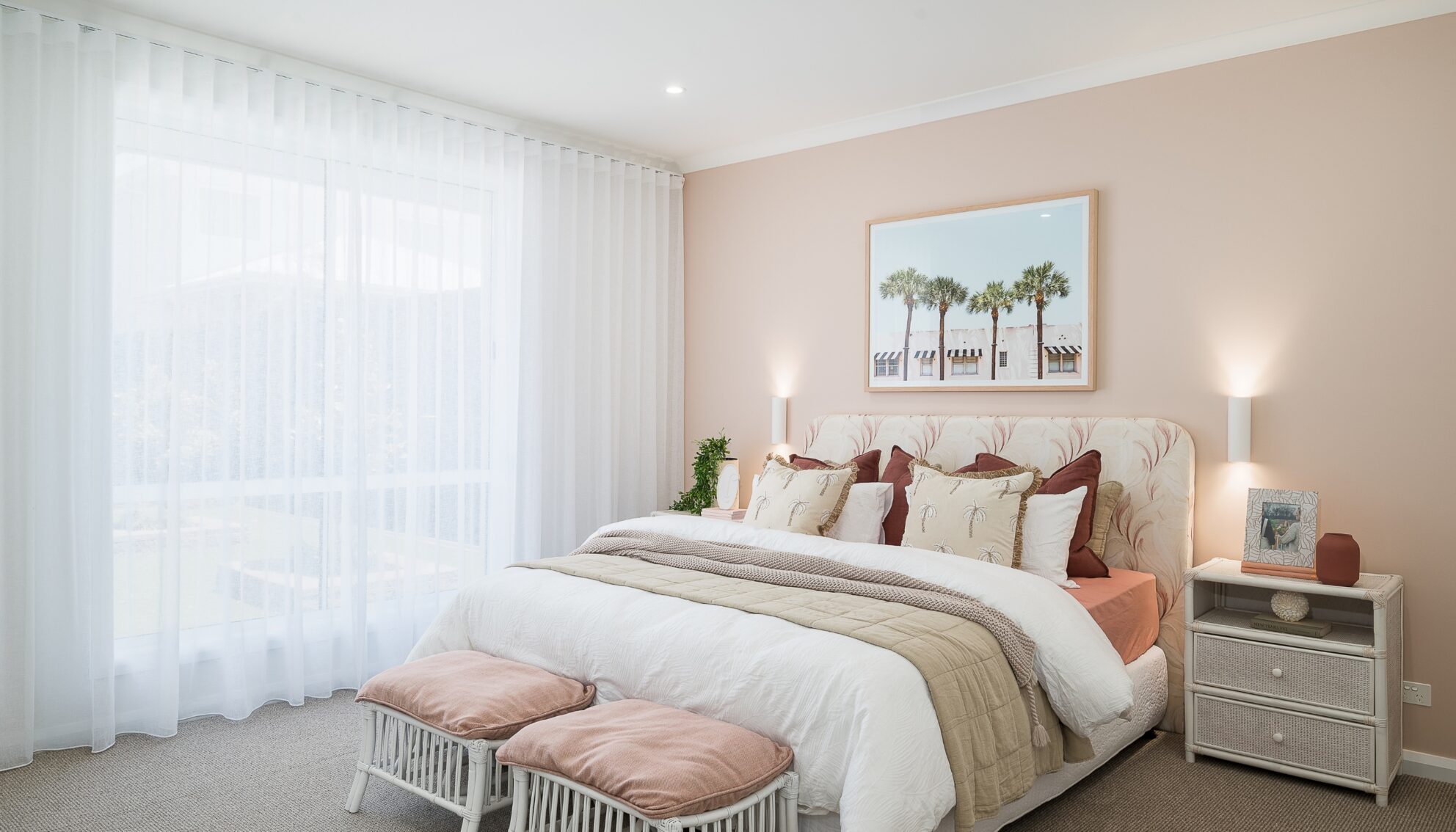
A multigenerational home design is a single, integrated home that comfortably accommodates more than one generation of a family. This might include parents and children, grandparents, adult siblings, or a mix that evolves over time.
Unlike secondary dwellings or dual-occupancy builds, multigenerational homes are designed as one cohesive space. They prioritise shared living where it makes sense, while also allowing for separation, quiet and personal routines.
In practice, this often comes down to thoughtful zoning, multiple living areas, flexible bedroom placement and layouts that allow people to live together without feeling on top of one another.
Across South East Queensland, multigenerational living is gaining momentum for a mix of practical and lifestyle reasons.
Families are placing greater value on time together, while still wanting homes that respect individual routines and independence. Support with childcare or ageing parents feels more natural when everyone shares the same space, and there’s growing appreciation for homes that can adapt as life changes, rather than forcing a move every few years.
From a lifestyle perspective, shared living can feel grounding, offering the flexibility to come together for meals or time spent at home, while still allowing space for privacy, quiet and independence when it’s needed.
Importantly, this shift isn’t driven by one life stage alone. It appeals to families planning ahead, not just responding to immediate needs.
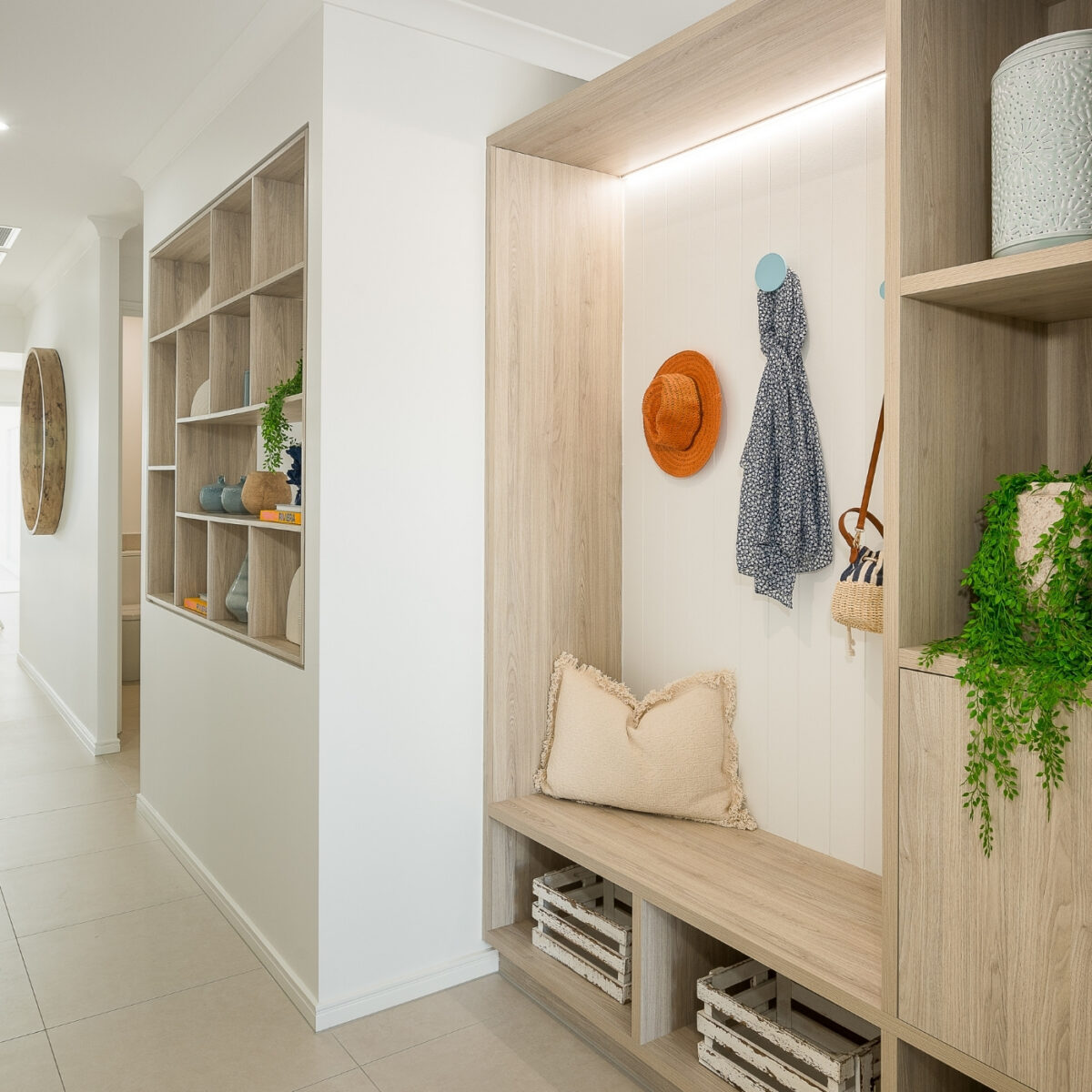
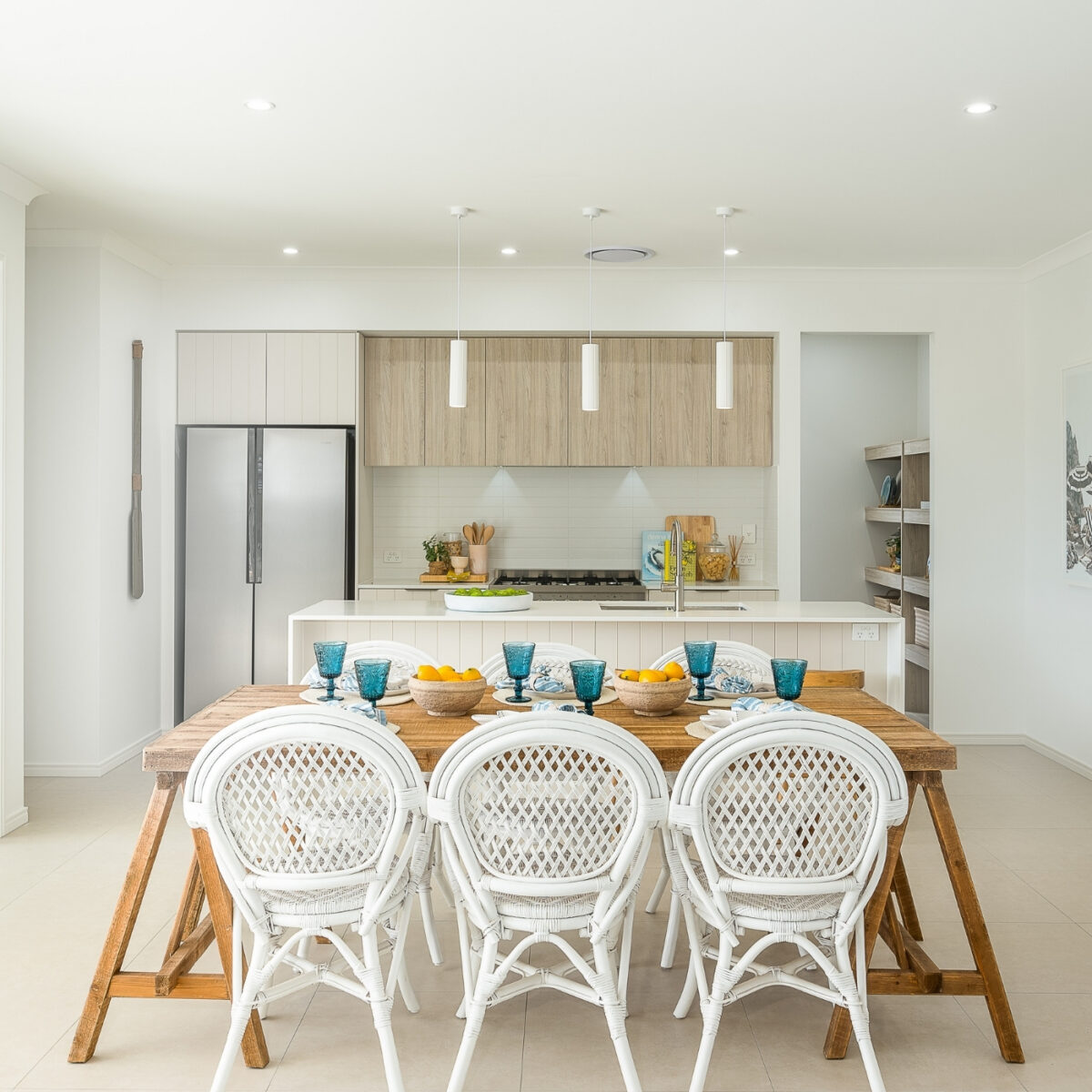
Living together makes it easier to share responsibilities, whether that’s caring for children, supporting older family members, or simply being present day to day. It reduces reliance on external help and strengthens everyday connection.
A well-designed multigenerational home can evolve over time. A guest wing today might become a permanent space later, while a secondary living area can shift roles as family dynamics change.
While not the primary driver for everyone, shared living can support longer-term financial flexibility by reducing the need for separate households, duplicate living spaces or future renovations.
For many families, multigenerational living reinforces continuity, respect and shared identity. When supported by the right design, this can feel enriching rather than restrictive.
Multigenerational living works best when the home is designed for it from the start. Good intentions alone don’t create harmony. Layout does.
Privacy, movement and acoustic comfort all influence how a shared home feels day to day. Without these considerations, even strong family relationships can feel strained over time.
This is where purpose-designed single-storey layouts shine. With everything on one level, movement is simple, spaces can be clearly zoned, and separation is achieved through planning rather than physical barriers.
Exploring single-storey home designs that naturally lend themselves to multiple living zones is often the best place to start.
Effective multigenerational homes rely on zoning rather than walls. Bedrooms placed at opposite ends of the home, secondary living areas set away from communal spaces, and quieter zones that naturally retreat from activity all help maintain balance.
Having more than one living space allows family members to share time together or enjoy downtime independently. This flexibility is essential for households with different routines and energy levels.
Bedroom positioning plays a significant role in privacy and comfort. Designs that include a distinct bedroom wing help maintain independence while staying connected.
Sound travels easily in shared homes. Layouts that reduce noise transfer between living areas and bedrooms help everyone feel more relaxed, particularly when sleep schedules or daily rhythms differ.
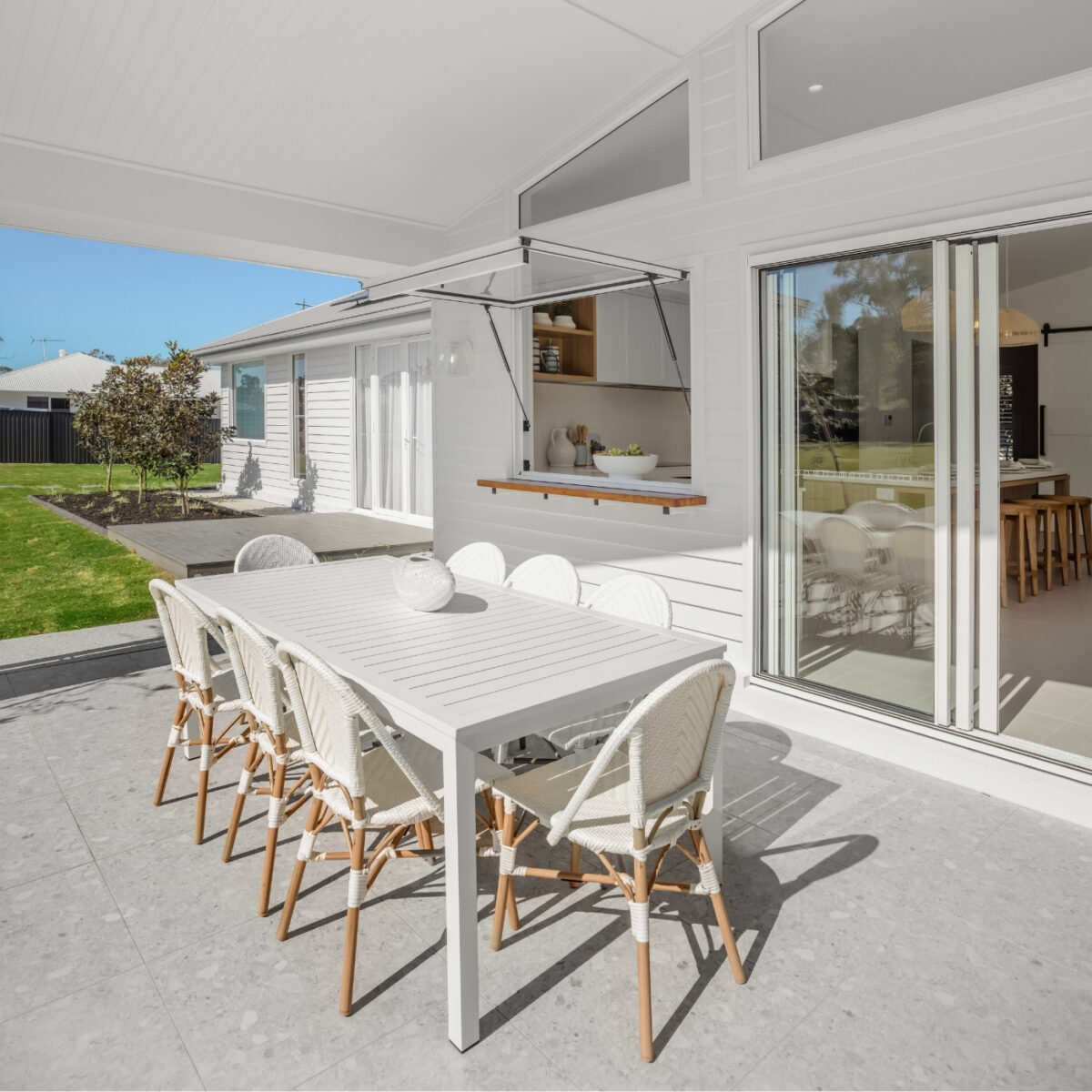
Kitchens, dining areas and outdoor zones naturally become gathering points. When these spaces are well-proportioned and connected to the outdoors, they encourage togetherness without feeling crowded.
Browsing home designs suited to flexible family living can help you identify which layouts naturally support these features.
Single-storey multigenerational homes offer simplicity, accessibility and long-term ease. They support all ages and mobility levels, making them practical now and into the future.
With everything on one level, daily movement feels easier and shared spaces feel more connected. This is particularly valuable for families planning long-term, where accessibility and adaptability become increasingly important.
Single-storey designs also allow zoning to feel intuitive, supporting privacy without relying on vertical separation.
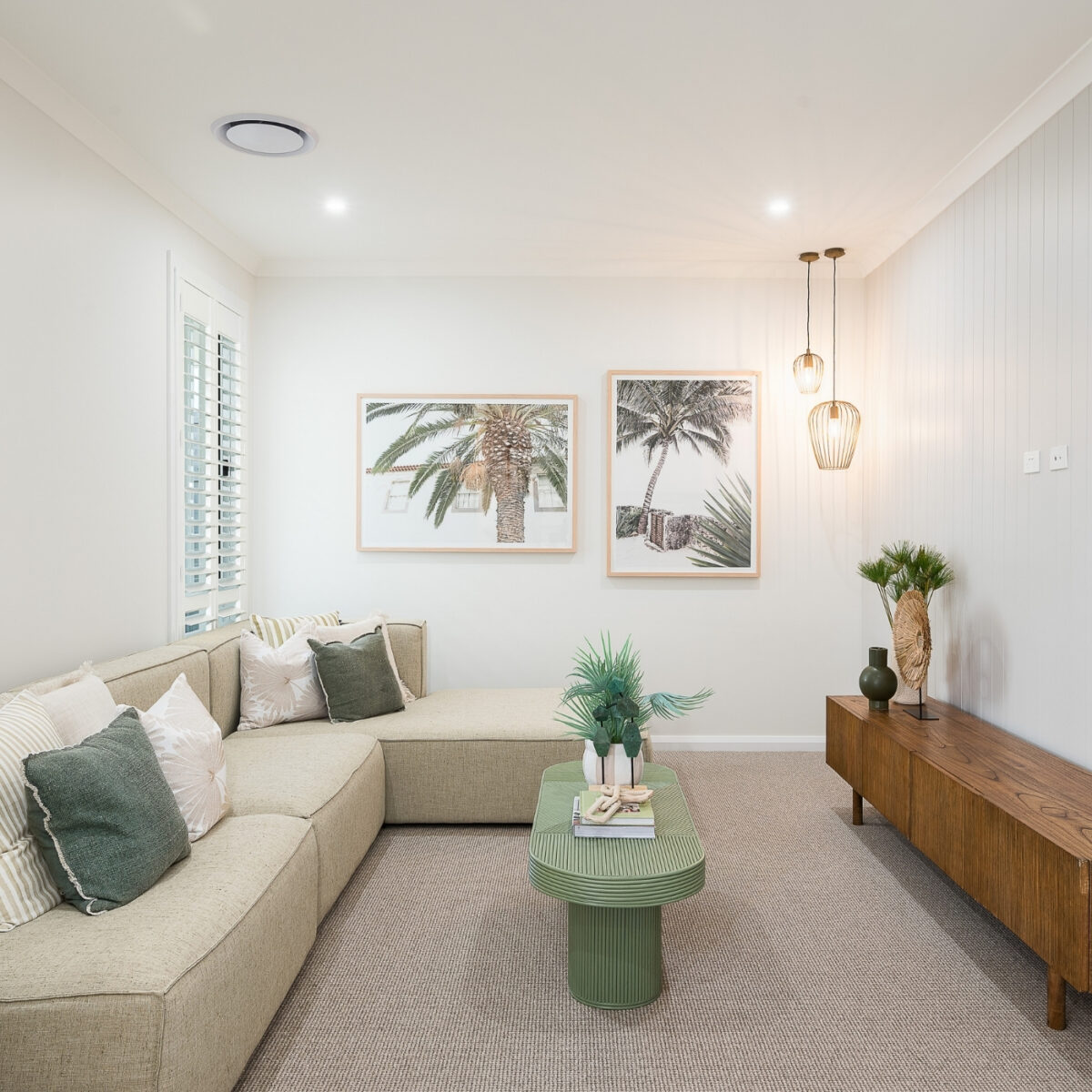
One of the most common concerns around multigenerational living is whether privacy can truly be maintained. With the right design, it can.
Privacy isn’t about isolation. It’s about having choice and control over when you connect and when you retreat. Well-designed multigenerational homes achieve this through layout rather than add-ons, using clear zoning, bedrooms positioned away from high-traffic areas, and outdoor spaces that offer both quiet moments and opportunities to gather together.
When these elements are considered early, shared living feels balanced rather than busy.
While lifestyle is often the primary motivator, multigenerational homes can also offer broader long-term appeal.
Homes with flexible layouts, multiple living areas and adaptable spaces tend to suit a wider range of future buyers. Even those not seeking multigenerational living immediately may value the option as life circumstances change.
Importantly, these homes are not the same as duplexes or dual-occupancy builds. They remain a single, cohesive home, designed to function beautifully for one extended household.
Across Brisbane, the Gold Coast and the Sunshine Coast, multigenerational homes are well suited to larger blocks and growing communities where families plan to stay long-term.
Considering house and land packages available across South East Queensland can help align lifestyle goals with block size, orientation and future flexibility, giving the home design room to do its job properly.
The first step is understanding how your family wants to live together, not just today, but in the years ahead.
Think about daily routines, quiet times, shared moments and privacy needs, and how those may change over time. From there, exploring single-storey or acreage home designs that support zoning and adaptability helps narrow the field.
Walking through display homes across South East Queensland or viewing virtual home tours can make layouts feel more tangible, while browsing the Inspiration Gallery can help visualise how multigenerational living looks and feels in practice.
Multigenerational living isn’t about squeezing more people into a space. It’s about designing a home that supports connection, independence and comfort in equal measure.
With the right layout, privacy is respected, routines are supported, and shared moments feel natural rather than forced.
If you’re curious about what’s possible, you’re welcome to explore Hallmark’s range of single-storey home designs, visit a display home, or take a virtual walk-through to see how thoughtful planning supports modern family living. And when you’re ready, the Hallmark Homes team is here to help you start your new home journey at a pace that feels right for you.
"*" indicates required fields