Feng Shui for the Home: A Calm, Practical Guide to Better Flow
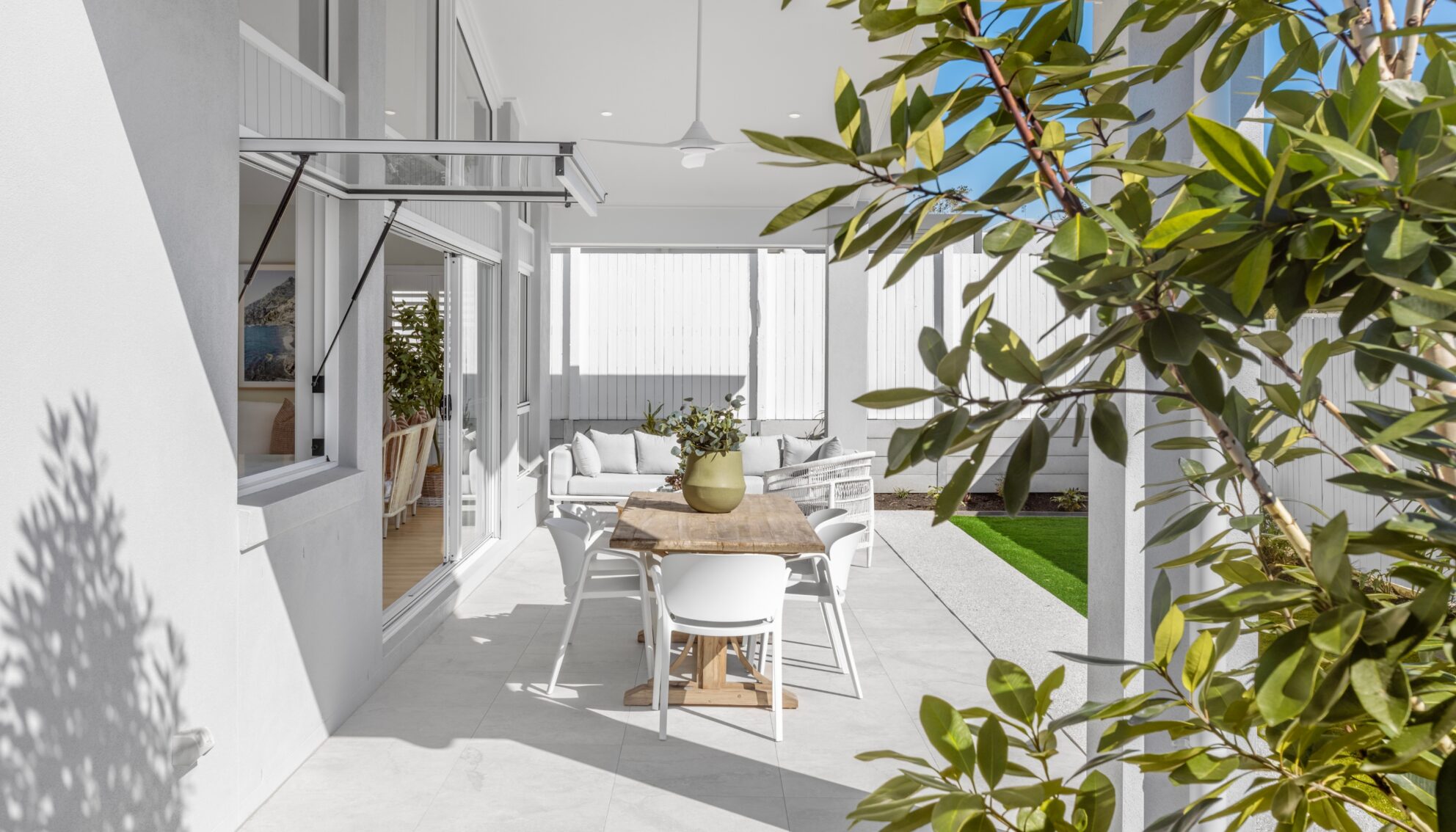
A new year often brings a quiet urge to reset. Not in a dramatic, life-overhaul way, but in small, thoughtful shifts that make home feel calmer, lighter and easier to live in.
That’s where Feng Shui (pronounced “foong-shway”) often comes into the conversation. For some, it’s grounded in philosophy. For others, it’s simply a useful way of thinking about space, flow and how a home supports everyday life.
At its heart, Feng Shui isn’t about rigid rules or blind belief. It’s about how a home feels to move through, rest in and return to. When viewed practically, many of its ideas align naturally with good home design, especially in Queensland homes shaped by light, airflow and relaxed living.
This guide blends timeless Feng Shui principles with real-world design logic. Use what resonates. Adapt what doesn’t. The goal isn’t perfection, but a home that feels balanced and supportive over time.
At its core, Feng Shui is about how people experience space. It looks at the relationship between a home’s layout and the way it supports comfort, clarity and everyday living.
In practical terms, Feng Shui focuses on a few key ideas that overlap closely with good design:
In modern Australian homes, many of these principles are already built in. Open-plan living, strong indoor–outdoor connections and an emphasis on natural light mean Feng Shui often feels intuitive rather than abstract.
In Queensland homes especially, where climate and lifestyle shape how spaces are used, Feng Shui becomes less about belief and more about awareness.
One of the most useful Feng Shui concepts is flow. Not just visual flow, but physical and emotional movement through a space.
A home with good flow feels intuitive. You’re not constantly navigating obstacles. Rooms connect logically. Light and air move freely.
A simple exercise is to walk through your home slowly and notice where things feel awkward or tight. Entryways cluttered with storage. Living rooms where furniture cuts across walkways. Bedrooms where the bed feels boxed in.
Often, small changes make the biggest difference. Repositioning furniture. Clearing visual clutter. Opening up pathways between rooms. These shifts support Feng Shui principles while also improving everyday comfort.
Traditional Feng Shui is built around five elements: wood, fire, earth, metal and water. Rather than thinking of these symbolically, it’s more helpful to view them as qualities that influence how a space feels.
A well-balanced home doesn’t need all five elements in every room. Instead, it’s about noticing when a space feels too heavy, too cold or too flat, and adjusting with intention. In many Queensland homes, this balance emerges naturally through material choices and strong connections to the outdoors.
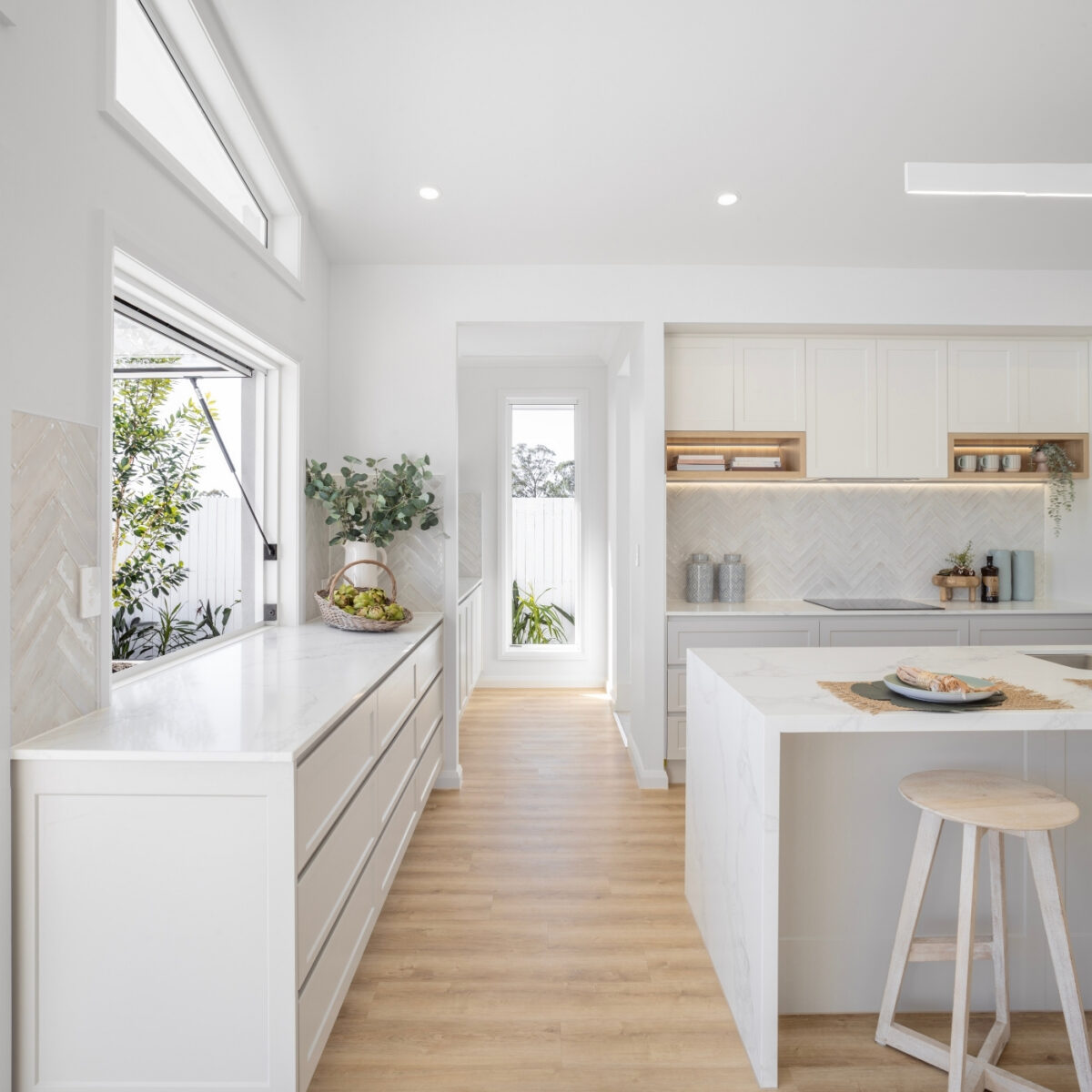
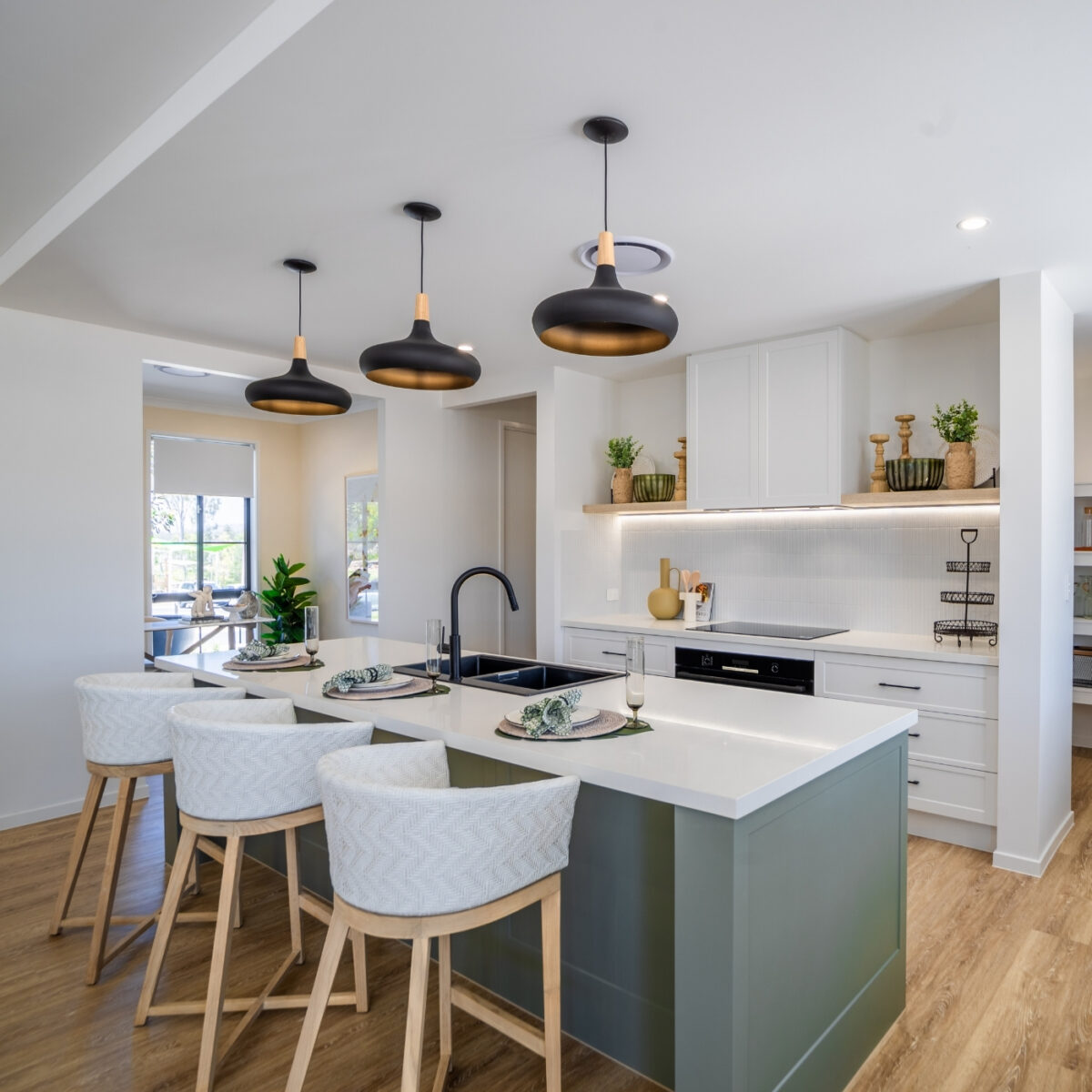
Rather than treating Feng Shui as an all-or-nothing system, these ten tips focus on practical changes that work in most Australian homes. Think of them as gentle adjustments rather than rules.
The entry sets the tone for the whole home. Clear pathways, good lighting and a sense of arrival help a home feel settled from the moment you walk in. If the front door opens straight into living areas, subtle definition with a rug or console can soften the transition.
Natural light and airflow are central to good Feng Shui and good design. Open curtains during the day, avoid blocking windows with heavy furniture, and allow breezes to move through the home where possible.
If you’re constantly stepping around furniture, the space is working against you. Aim for clear, logical pathways between rooms so movement feels natural and unforced.
In shared areas, furniture should encourage conversation and togetherness. Seating that faces inward rather than being scattered creates a sense of connection without closing the room off. Position lounges so you can see the main entry to the space without sitting directly in its path, a concept often referred to as a ‘command position’.
Bedroom set up in Feng Shui often refers to the ‘command position’. This means placing the bed where you can see the doorway without being directly in line with it. The aim is to promote a sense of safety and ease, which supports deeper rest. Keep the space uncluttered and dedicated primarily to sleep and relaxation.
Too many competing elements can make a home feel unsettled. This doesn’t mean minimalism, but it does mean being intentional with what’s on display. If a space feels overwhelming, removing one or two items can restore balance quickly.
A room filled with hard surfaces can feel cold, while too many soft furnishings can feel heavy. Mixing textures like timber, fabric, stone and metal helps create a grounded, comfortable environment.
Mirrors can enhance light and make spaces feel larger, but placement matters. Avoid positioning mirrors where they reflect clutter or disrupt rest, such as directly facing the bed.
Spaces that try to do too many things often feel chaotic. Where possible, define zones clearly, even in open-plan layouts. This clarity helps each area feel intentional and easier to use day to day.
Perhaps the most overlooked Feng Shui principle is intuition. If a room consistently feels uncomfortable or draining, there’s usually a reason. Small adjustments made with awareness often restore balance more effectively than strict rules.
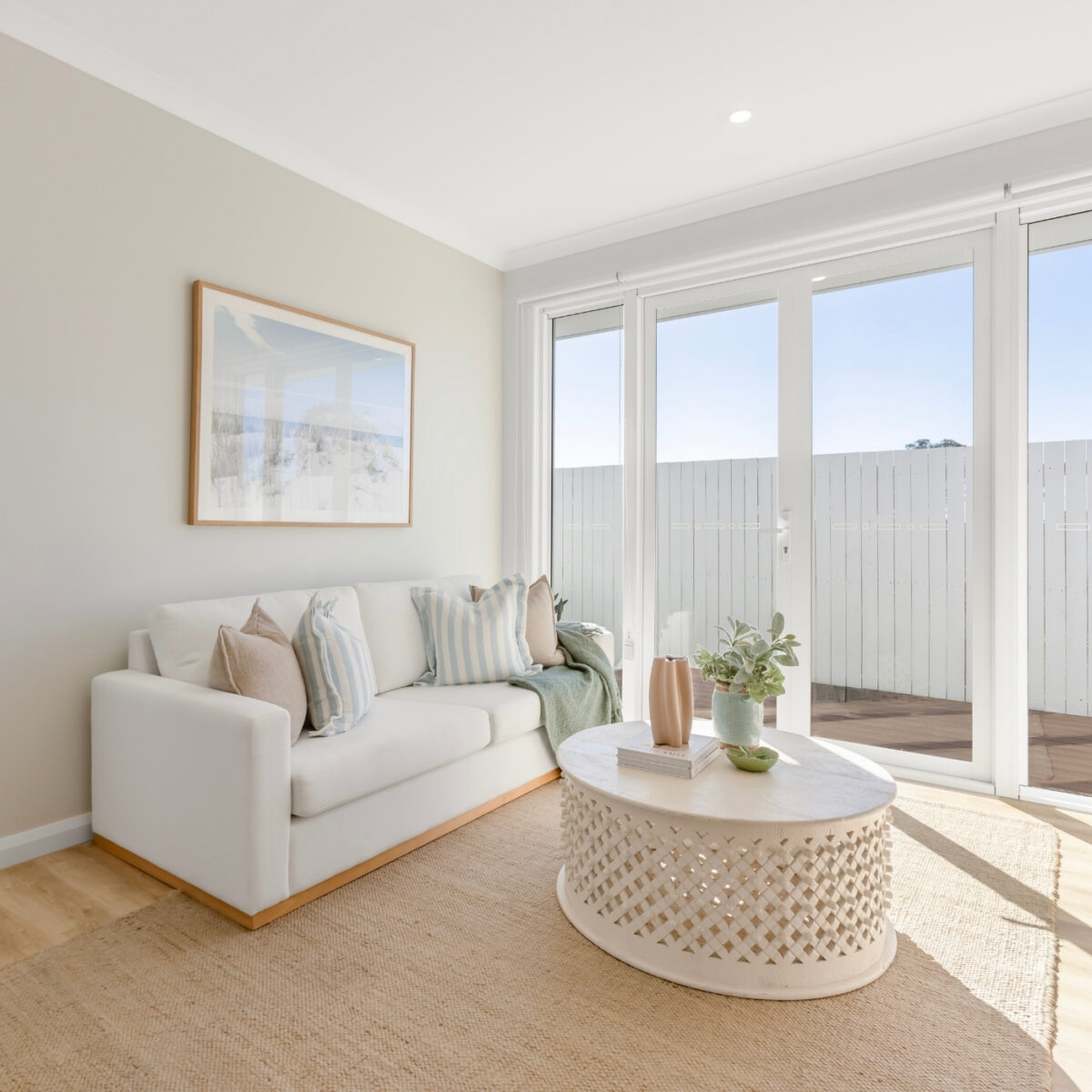
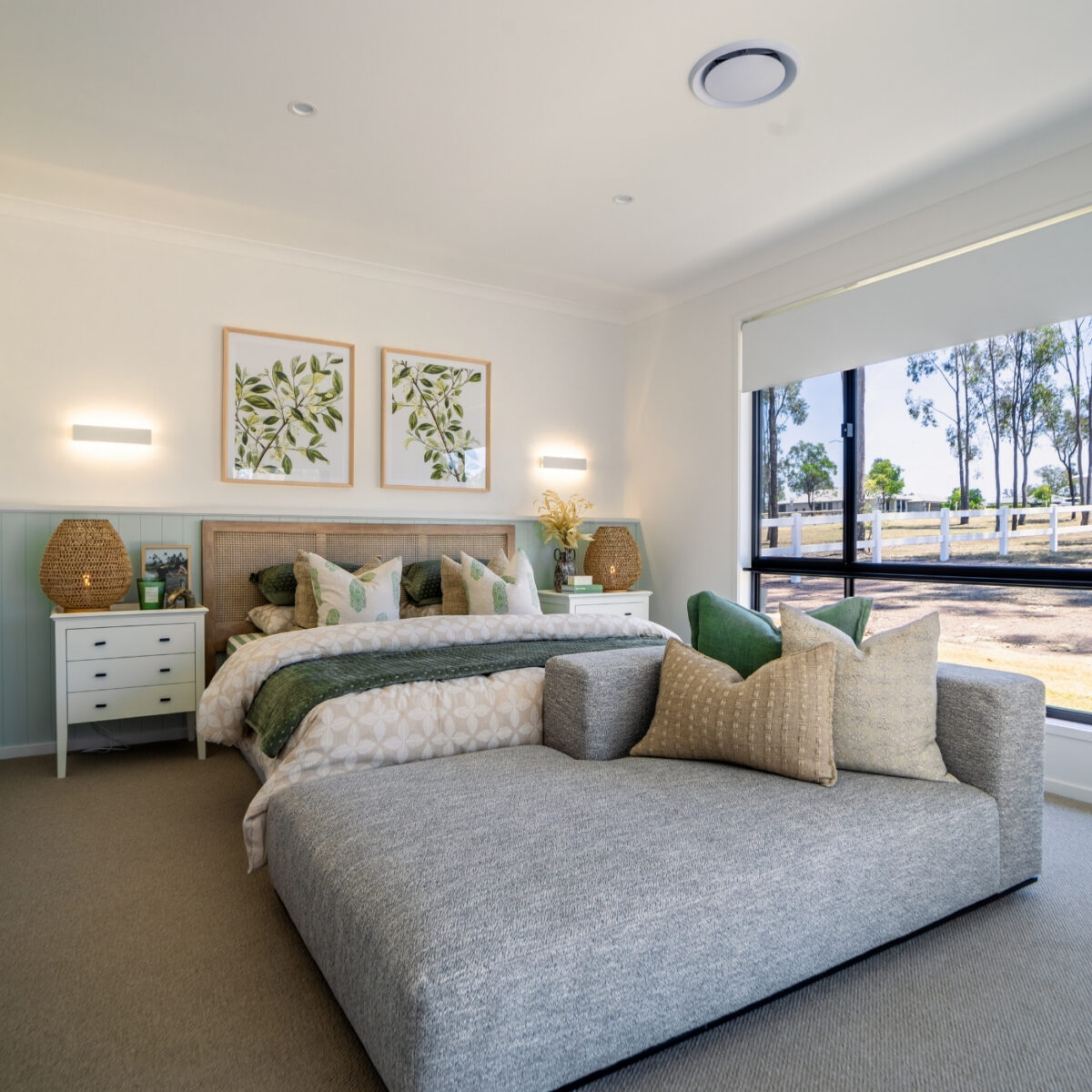
Many Feng Shui principles align naturally with contemporary Australian home design. Open-plan living, indoor–outdoor flow and thoughtful orientation all support balance and ease of movement.
Exploring different home designs that prioritise flow, orientation and liveability can help you notice what feels right for your lifestyle. Likewise, walking through display homes across South East Queensland is often the easiest way to sense how layout and energy translate in real life.
If visiting in person isn’t possible, virtual home tours still offer valuable insight into room arrangement, movement and spatial balance.
For those considering a future build or relocation, house and land options can also shape how Feng Shui principles are addressed early, particularly in relation to orientation, natural light and airflow.
Feng Shui works best when it’s approached as guidance, not instruction. You don’t need to apply every principle to benefit from the thinking behind it.
If a space already feels good, that matters. If something feels off, Feng Shui offers a framework for understanding why, along with practical ways to respond.
Whether you’re refreshing a single room, rethinking how your home functions, or quietly gathering ideas for the future, small, intentional changes can make a lasting difference.
If you’d like to explore layouts in more detail or talk through what might suit your lifestyle now and over time, you’re always welcome to get in touch with the Hallmark Homes team and continue the conversation at your own pace.